
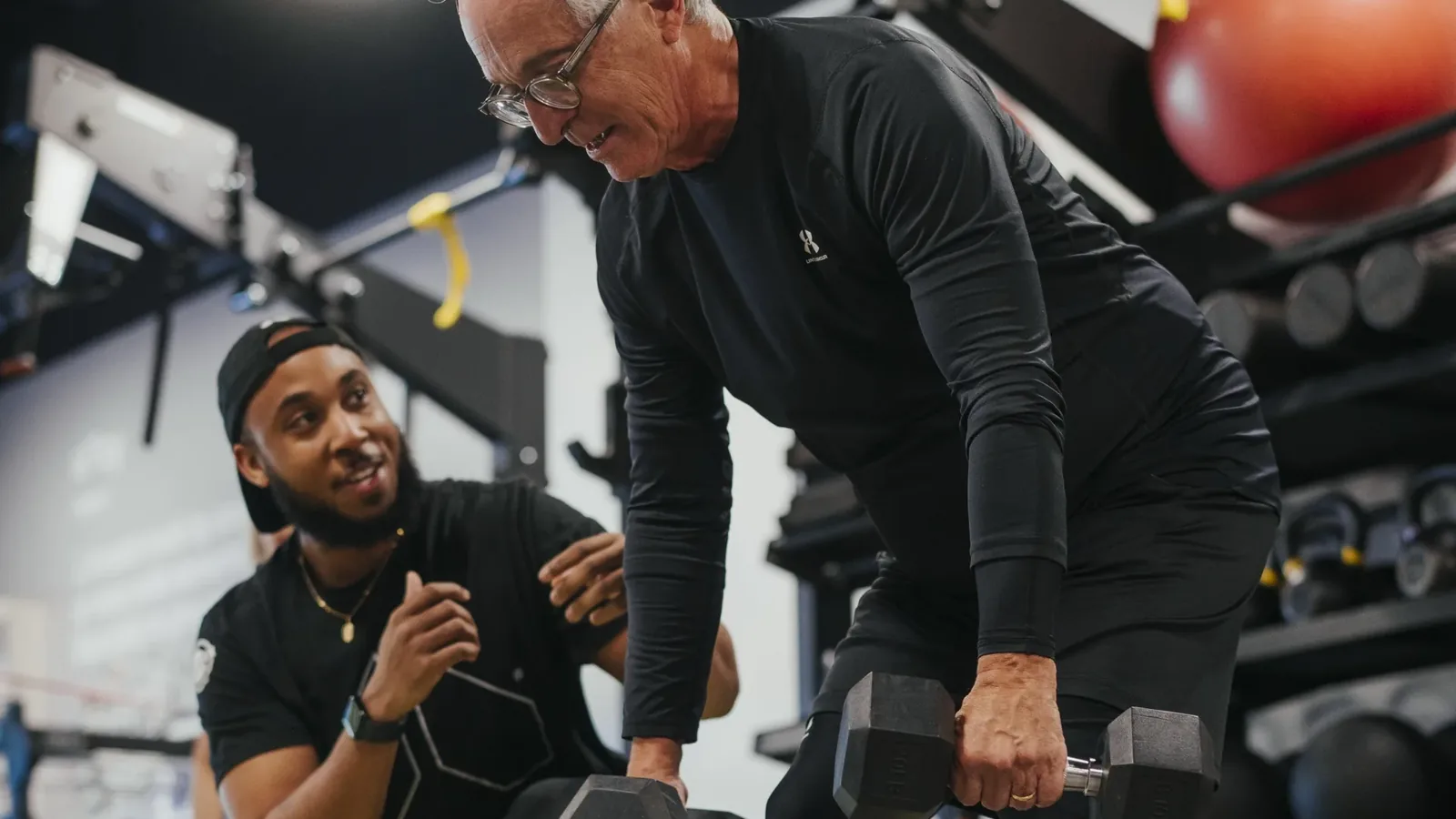
If you take one thing from this guide, make it this: after 40, strength training stops being about how you look and starts being about how long you get to keep doing everything else — carrying groceries up the stairs, getting off the floor with a grandchild, hiking the Ice Age Trail, shoveling a Wisconsin February without fear.
What actually changes after 40
Starting in your 30s, adults lose lean muscle every decade they don't train — researchers call it sarcopenia. Bone density follows a similar slow decline. Metabolism drifts down with the muscle. None of that is a moral failure; it's just what tissue does when it isn't asked to work.
The encouraging part: muscle remains trainable at every age. Studies on adults in their 60s, 70s, and beyond consistently show meaningful strength gains within weeks of starting a structured program. The window doesn't close. It just narrows if you wait.
Why strength beats cardio-only after 40
Walking, biking the Capital City Trail, swimming — all genuinely good for you, and we'd never talk anyone out of them. But cardio alone doesn't rebuild the muscle and bone you're gradually losing. Strength training does. It's the difference between slowing the decline and reversing it.
A sensible week for most adults over 40 looks like two to three strength sessions plus whatever movement you enjoy. That's it. Not six days of punishment — a sustainable rhythm your body can recover from.
What a longevity-focused program looks like
- Compound movements first. Squat, hinge, push, pull, carry — the patterns you use in real life, loaded appropriately.
- Progression you can measure. Slightly more weight, an extra rep, better range — tracked in a structured block, not random workouts.
- Joint-friendly variations. A trap bar instead of a straight bar, a box squat instead of a free squat — same stimulus, less strain on cranky knees and shoulders.
- Recovery built in. After 40, recovery is where the progress actually happens. Programs that ignore it burn people out.
- A coach in the room. Form breaks down when you're tired. That's precisely when someone should be watching.
Starting after years — or decades — away
Most of the members we work with at our East Madison studio hadn't trained in ten, twenty, sometimes thirty years. The first weeks are deliberately modest: learning movements, finding your current baseline, letting tendons and joints adapt alongside muscle. People are usually surprised how quickly strength returns — and how much better they sleep.
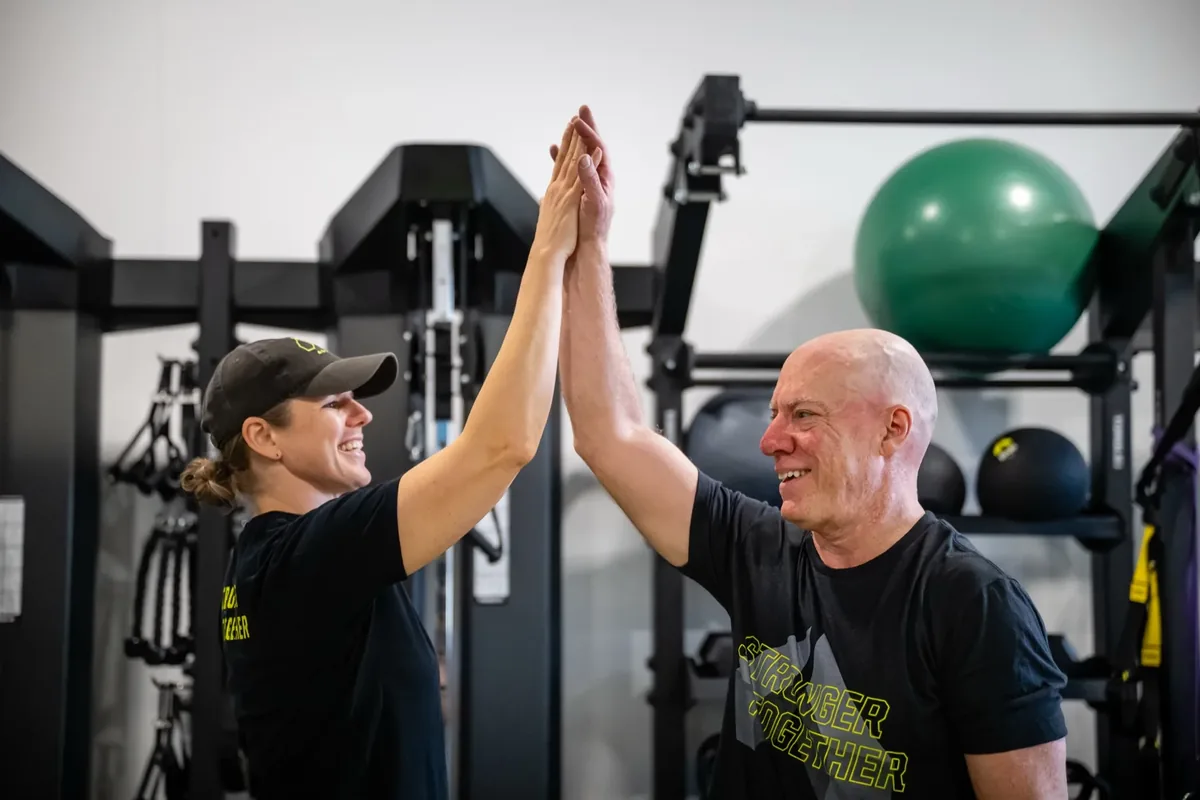
If you're in Madison, WI — anywhere from Schenk-Atwood and the Atwood corridor out to Monona, Sun Prairie, or Cottage Grove — and you want a place built specifically for adults 40 and over, that's the entire reason our studio on Winnebago Street exists. Sessions are capped at six people, a certified coach runs every minute, and your program starts from wherever you are today.
One honest caveat: we're coaches, not doctors or nutritionists. If you have a medical condition, get your physician's green light first — then come see us and we'll build around whatever they tell you.