
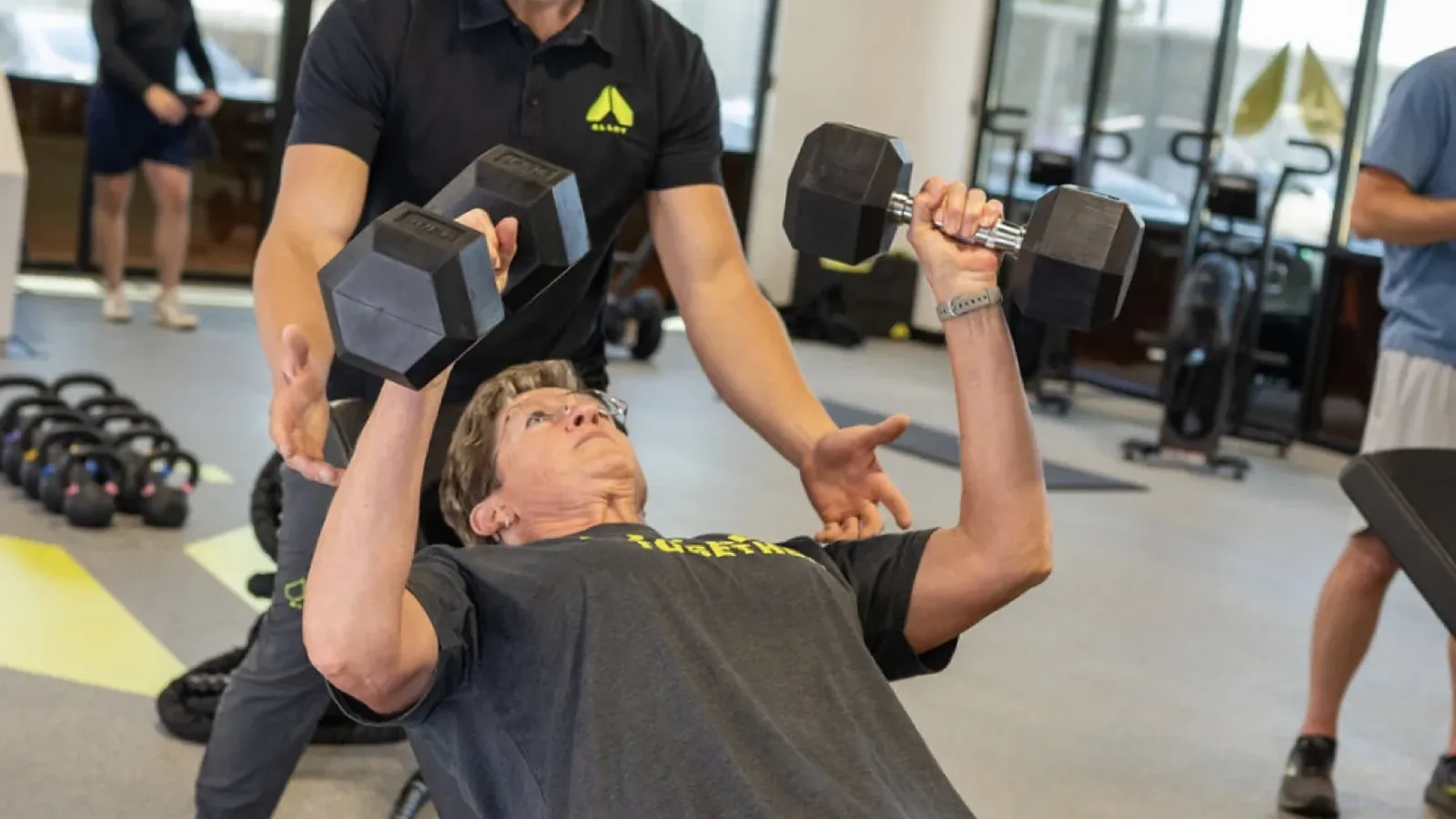
The question people actually want answered before starting at 60 is rarely "is it safe" or "is it too late" – we have addressed both, and the answer to the second is a firm no. The real question is quieter: what will I actually have to show for it in a year? Fair question. It deserves a real answer, not a testimonial reel.
So here is the honest year, quarter by quarter, assembled from watching many members live it. Individual mileage varies with starting point, consistency, and health, but the shape of the year is remarkably consistent.
Months one through three: the learning quarter
The first weeks are about movement, not transformation: learning the patterns, finding honest starting loads, discovering that a coached session leaves you pleasantly worked rather than wrecked. Strength arrives surprisingly fast – not because muscle grows overnight, but because your nervous system remembers how to use what you have. Weights that felt serious in week one feel routine by week eight.
The quarter's underrated deliverables: sleep improves for many people almost immediately, stairs stop being commentary-worthy, and the identity shift happens – you become a person with a training schedule, which sounds small and is not.
Months four through six: the visible quarter
This is when the outside world gets a vote. Clothes fit differently. Someone at a gathering says something. The monthly composition scans that showed quiet muscle gains all spring start showing a trend line even a skeptic accepts. Daily life reprices in the background: the water softener salt, the grandchild lift, the full car unloaded in one trip, the floor exited without a support beam. Members rarely announce these. They mention them sideways, weeks later, in the tone of people reporting a strange and pleasant discovery.
Months seven through nine: the boring quarter, which is the important one
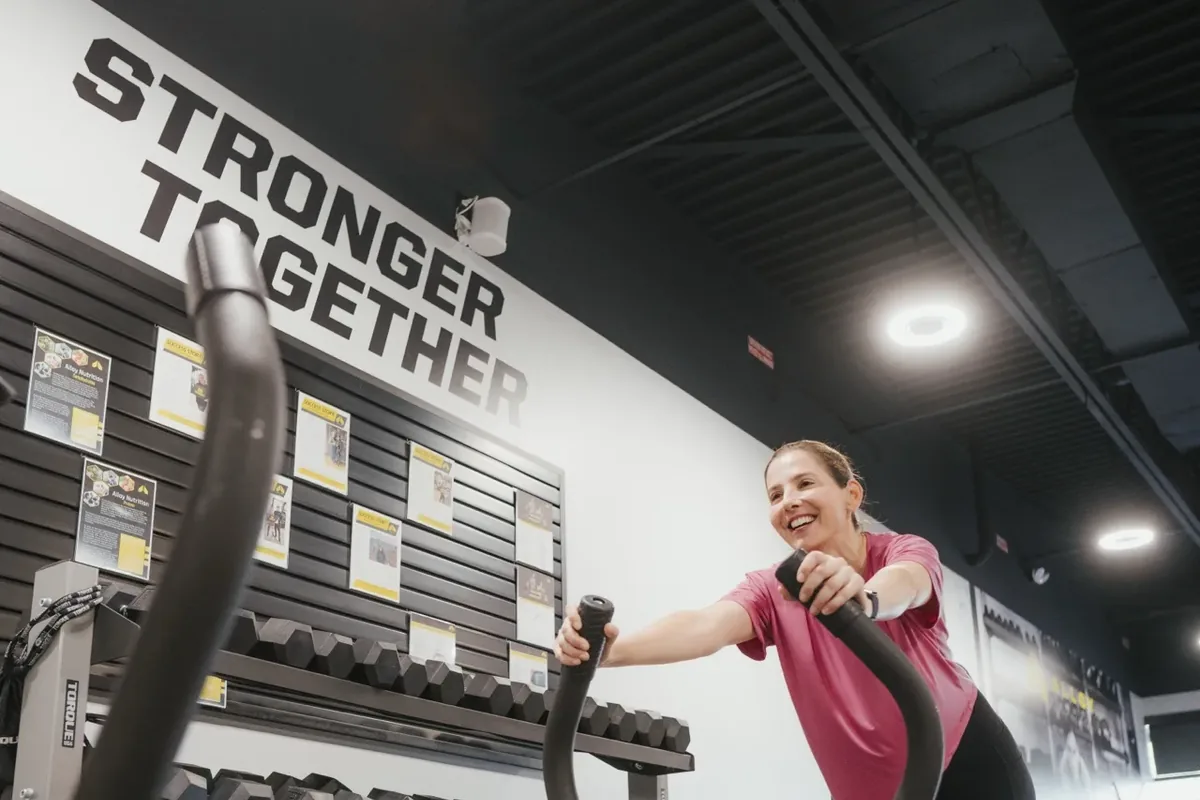
Somewhere past the half-year mark, training stops being a project and becomes furniture – a fixed, unremarkable part of the week. This is the phase where the compounding happens: loads keep creeping up, balance keeps consolidating, and the habit survives its first real stress tests, a vacation, a cold, a busy month. The graduates of this quarter are effectively lifers. The quarter's enemy is the plateau narrative; progress genuinely does slow from the early surge, which is physiology, not failure. Good coaching earns its keep here, adjusting programming and pointing at the trend line when the week-to-week feels flat.
Months ten through twelve: the dividend quarter
By the year's end, the changes stop being fitness results and start being life facts. A body that handles winter, yard seasons, travel, and grandkids without negotiation. Balance that makes ice merely annoying. Strength numbers that would have sounded fictional in January. And the least advertised dividend: confidence, the specific kind that comes from twelve months of evidence that your body still responds when asked. Members describe it as feeling younger; what they mean, more precisely, is feeling capable, with data.
What the year requires
Nothing heroic, which is the entire point: two to three coached sessions a week, most weeks, protein handled, sleep respected, progression left to a coach who knows your history. That is the whole invoice, and we have never once seen someone pay it consistently for a year and regret the purchase. The pattern is the one we described in building muscle after 60, sustained until it compounds.
If you are 60-something on Madison's east side and this is the year you have been postponing, our Winnebago Street studio would be glad to coach it – Schenk-Atwood, Monona, Sun Prairie, Cottage Grove, all nearby. The usual caveat applies: medical conditions get a physician's green light first, and we build from there. Twelve months from now, you will be somebody's sideways-mentioned strange and pleasant discovery. Ideally your own.