
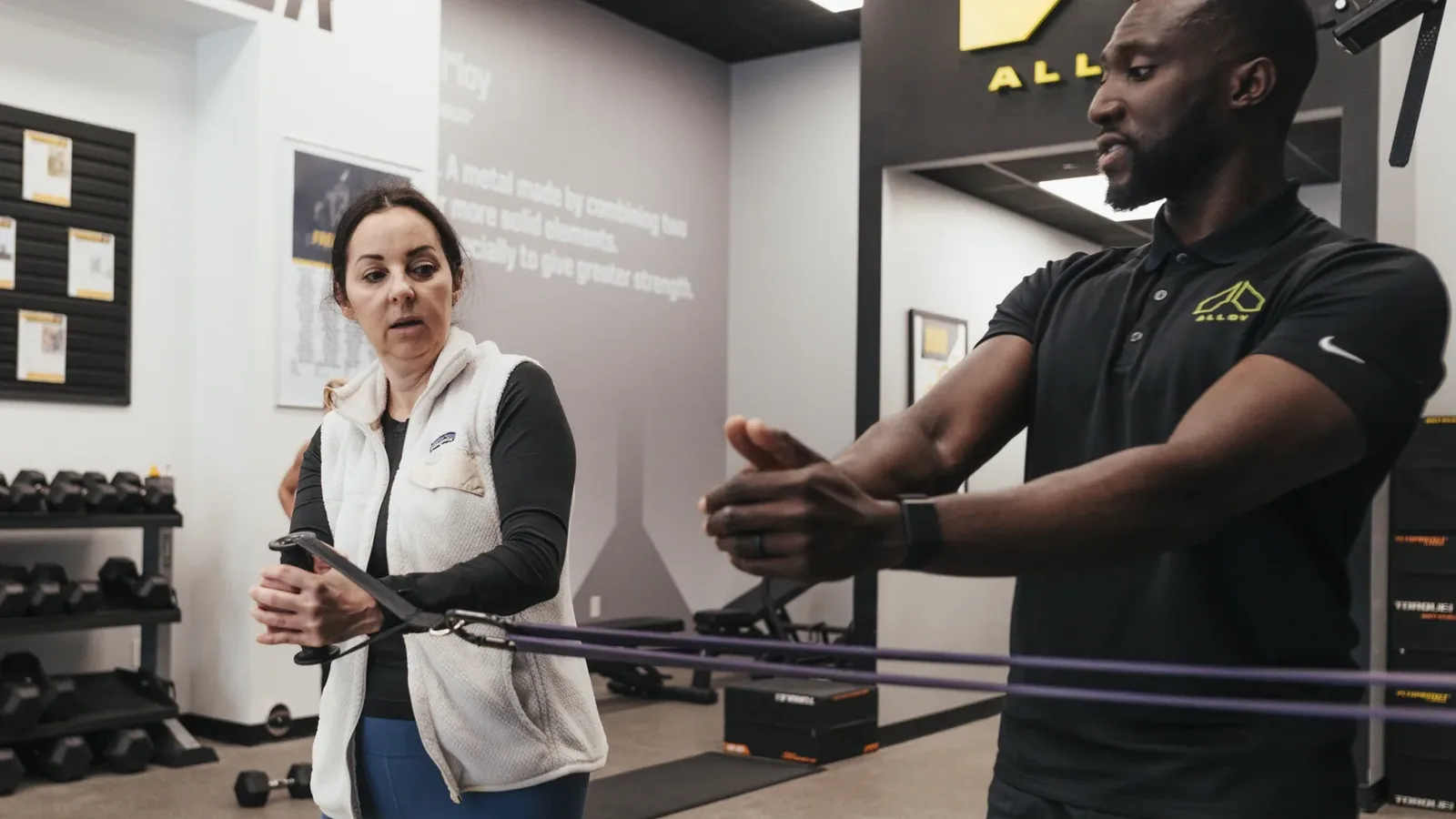
Hiring a personal trainer is a genuinely hard purchase to evaluate. The industry has almost no barrier to entry, the marketing all sounds the same, and you usually can't tell whether someone's good until you've already paid them. Here's how to shorten that gap.
Start with credentials, but don't stop there
A certification from an accredited organization — NASM, ACSM, NSCA, ACE — means someone studied anatomy, programming, and safety, and passed a real exam. Ask which one. A trainer who can't name their certification, or who names something you can't find online, is telling you something.
But the certification is the entry requirement, not the differentiator. The things that actually predict whether a trainer will be good *for you*:
- Who they normally coach. A trainer whose clients are mostly adults in their 40s through 60s has seen your situation hundreds of times. One who mostly trains college athletes will program for you like a college athlete.
- How they handle injuries. The right answer to "my left knee has been bad since 2011" is a series of questions, then a modified plan — not "we'll work around it" and then the same workout as everyone else.
- Whether they refer out. Good coaches know where their scope ends. A trainer who's happy to send you to a physician or physical therapist when something looks medical rather than muscular is a trainer who takes the job seriously.
The questions worth asking
Bring these to a consultation. The answers separate the professionals quickly:
- Who writes my program, and how often does it change?
- What do you do when something hurts mid-session?
- How do you measure whether this is working, besides the scale?
- How many people will be on the floor with me?
- What happens if I need to pause for travel, illness, or a busy stretch at work?
- What's the total cost, including anything not in the headline price?
And one more, which tells you the most: ask what they'd want to know about you before writing anything. A coach who immediately starts describing their program hasn't asked about your body yet. A coach who asks about your history, your sleep, your schedule, your previous attempts, and what you actually want to be able to do is doing the job correctly.
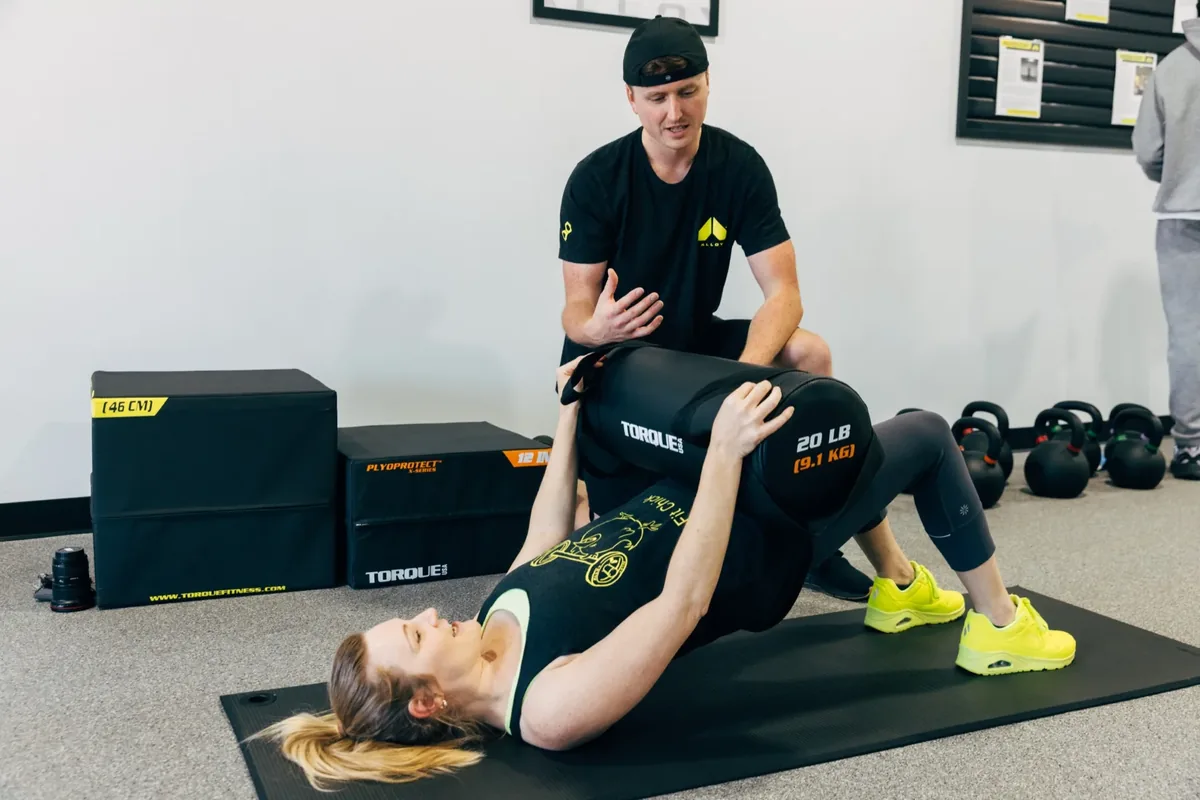
Red flags that should end the conversation
- Guaranteed outcomes. "You'll lose 30 pounds by Christmas" is not a training plan; it's a sales line. Nobody can guarantee a specific number by a specific date.
- Pressure to sign today. Urgency tactics — a price that vanishes if you leave the building — are a sign the offer can't survive being thought about.
- No interest in your medical history. If nobody asks about surgeries, medications, or chronic conditions before programming for you, walk.
- Diagnosing you. A trainer who tells you what's wrong with your spine is practicing medicine without a license.
- The workout that's the same for everyone. If the 28-year-old marathoner and the 61-year-old returning from a hip replacement are doing identical sessions, nothing is being personalized.
Then go feel the room
Credentials and answers get you to a shortlist. The last step is a visit, because fit is real and it isn't measurable on paper. Do the coaches know members' names? Does anyone say hello? Is the music at a volume where you can hear a correction? Would you come back on a February Tuesday when it's 8 degrees and dark?
Our studio is on Winnebago Street in Schenk-Atwood, minutes from Olbrich Gardens, and we coach adults over 40 almost exclusively — sessions capped at six, individual programs, coaches who know your history. The Starting Point Session includes an InBody scan, a movement assessment, a sample workout, and a plan you can take with you whether or not you train here. Ask us every question above. If the answers don't fit, we'd rather you find the place that does.