
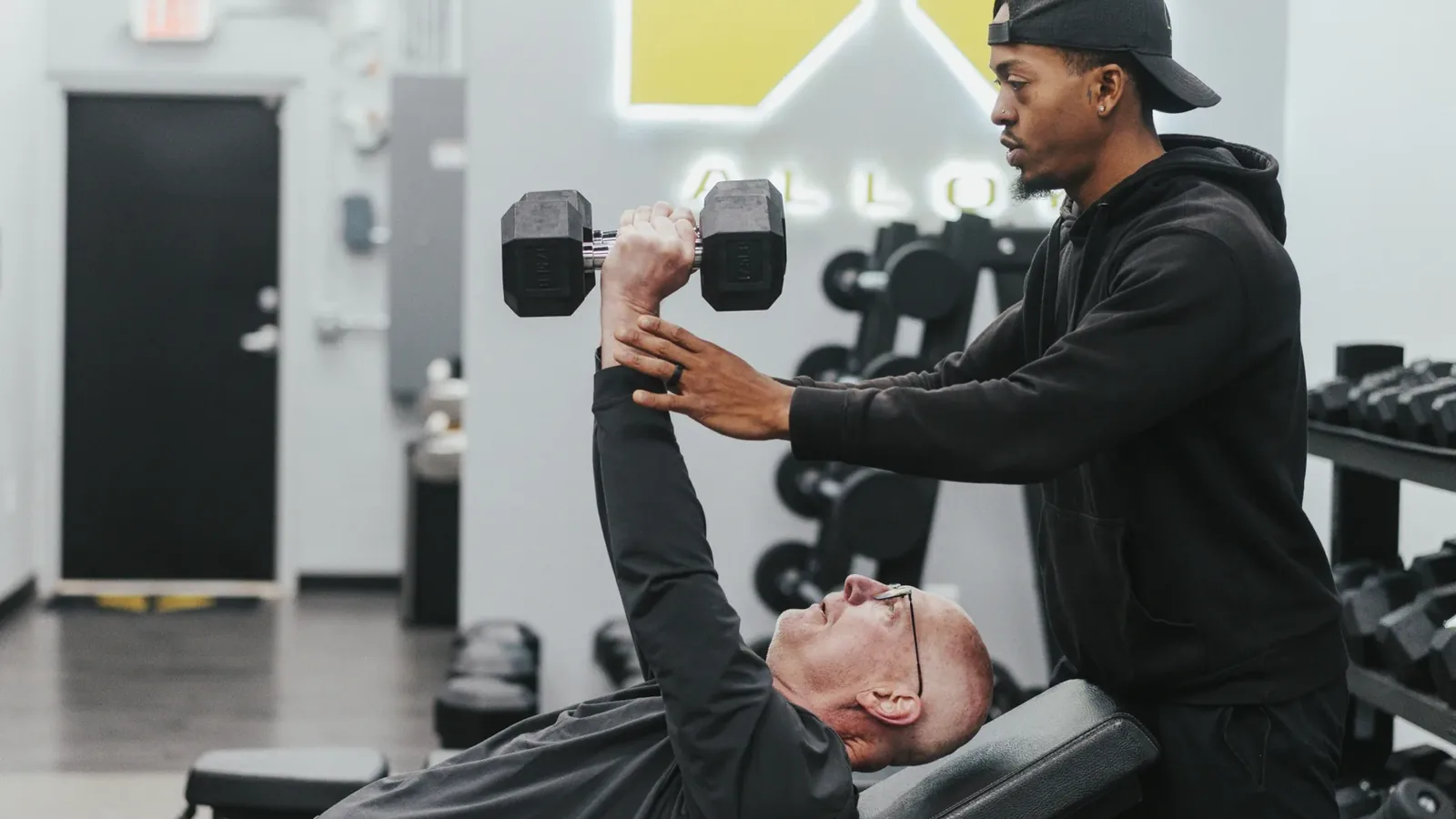
Building muscle after 60 is not a consolation-prize version of training — it's the real thing, running on the same biology as at any age, just with different pacing and a higher premium on doing it right. Here's what a safe, effective start actually looks like.
The biology is on your side
Resistance-training studies on adults in their 60s and 70s show consistent, measurable muscle growth — including in people who had never trained before. Two things are genuinely different at this age, and a good program respects both:
- Recovery does more of the work. Muscle is built between sessions, not during them. After 60, that means two — sometimes three — full rest days between strength sessions, protected as seriously as the training itself.
- Connective tissue adapts slower than muscle. Tendons and joints need weeks to catch up to what your muscles can suddenly do. This is why sensible programs start lighter than beginners expect — it's not condescension, it's sequencing.
Your first twelve weeks, honestly
Weeks 1–3: learning. Supported movements — machine rows and presses, box squats, light hinges, carries. The goal is grooving patterns and letting joints acclimate, not chasing fatigue.
Weeks 4–8: loading. Weights start climbing in small, consistent steps. This is where most people feel the first unmistakable changes — stairs, jars, getting up off the floor.
Weeks 9–12: building. Progress becomes visible to other people. A structured reassessment sets up the next block.
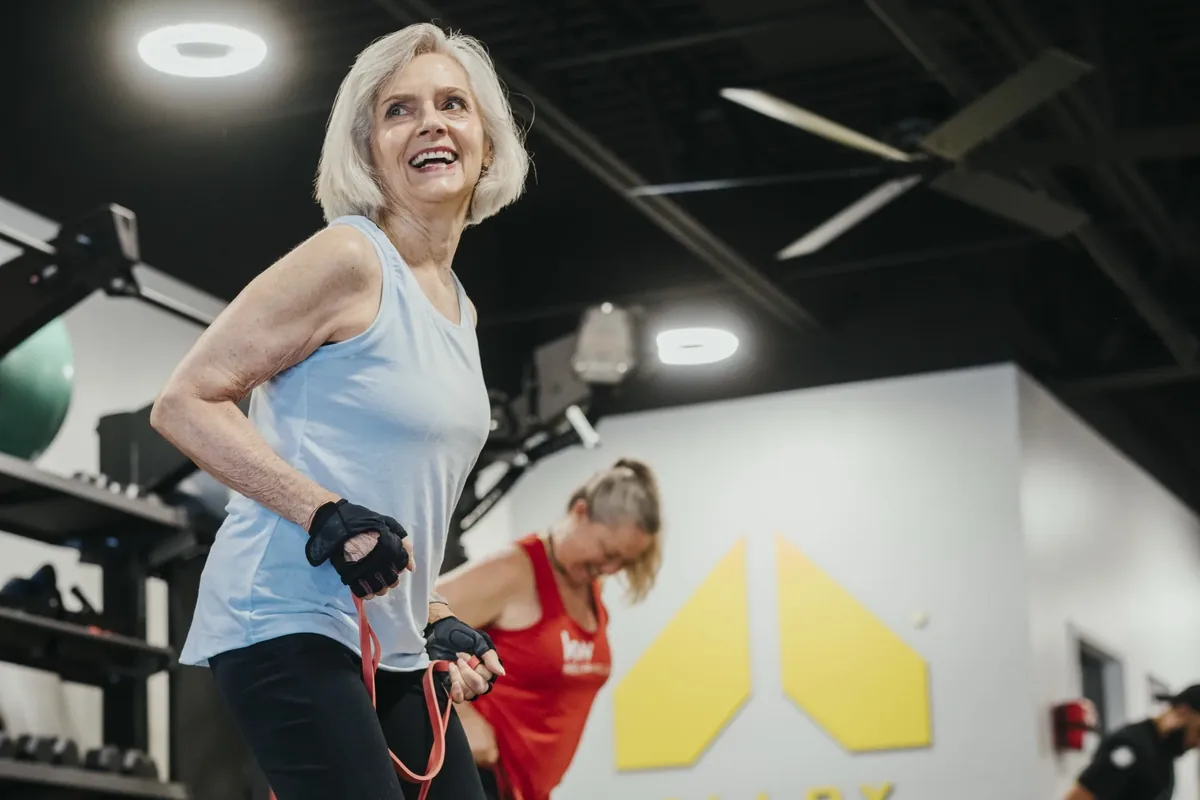
The safety rules that actually matter
- Get medical clearance first if you have heart disease, uncontrolled blood pressure, osteoporosis, or a recent surgery. We're coaches, not physicians — this guide is general information, not medical advice, and your doctor's guidance overrides anything written here.
- A coach in the room beats any program on paper. Form quality is the difference between the stimulus you want and the setback you don't. This is the core argument for small group training over solo YouTube workouts at this age.
- Soreness is normal; joint pain is information. A good coach modifies the movement the day your shoulder complains, rather than pushing through.
Where to start in Madison
If you're on Madison's east side, our studio on Winnebago Street in Schenk-Atwood was built for exactly this: adults 40 and over, sessions capped at six, a certified coach on the floor every minute, and programs that start from wherever you are — including "I have never touched a barbell in my life." Members in their 60s and 70s aren't the exception on our floor; they're the point. The Starting Point Session is thirty minutes and carries no obligation — it's simply the easiest way to find out what your first twelve weeks would look like.