
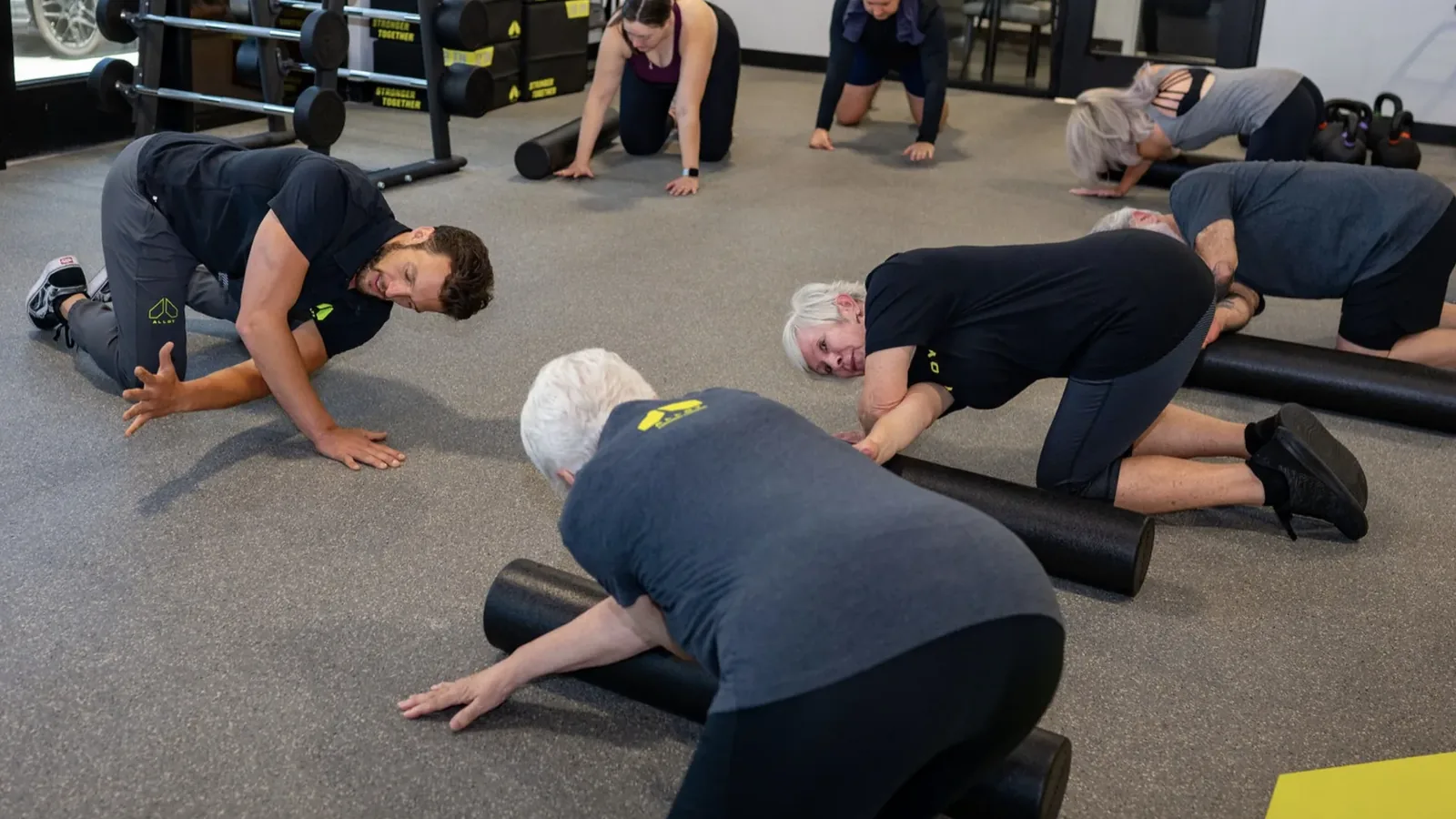
Strength gets the headlines, but ask anyone who works with older adults what actually changes lives and they'll tell you: it's the day someone stops being afraid of falling. Balance and mobility are the quiet half of aging well — and they're as trainable as strength, provided you actually train them.
Why balance fades — and why it's not inevitable
Balance is a skill built from three systems: the inner ear, vision, and the pressure-and-position sense in your feet and joints. All three dull gradually with age — and so does the leg power that catches you when you stumble. The stumble itself isn't usually the problem; the missing quarter-second of strength and reaction to recover from it is.
Here's what matters: every piece of that chain responds to training. Studies on adults well into their 80s show meaningful balance improvement within weeks of consistent practice.
Mobility: the range you actually use
Mobility is the motion your joints can genuinely use — ankles that flex enough to descend stairs confidently, hips that extend enough to walk with a full stride, shoulders that reach the high cabinet. Lose range and your body borrows it from somewhere else, which is how ankles become knee problems and hips become back problems.
The fix isn't lengthy stretching routines. It's strength training through a full, controlled range of motion — which builds mobility and strength in the same rep — plus targeted work for the joints that need it.
How the three fit together in a real program
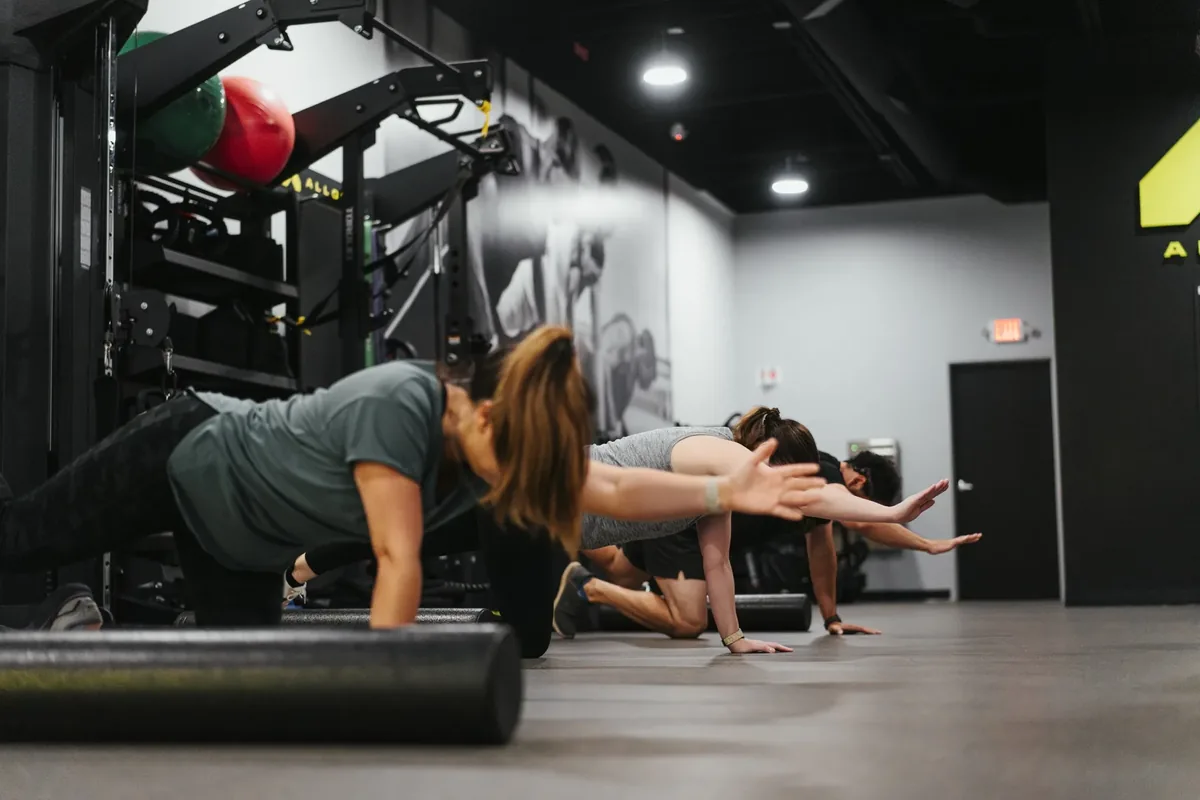
At our East Madison studio, balance and mobility aren't a separate class for the older members — they're built into how everyone trains:
- Warm-ups are mobility work: controlled joint articulation before loading.
- Strength through full range: box squats to a depth you control, split-stance and single-leg work that trains balance under load — the most effective kind.
- Carries and step patterns: walking with load is balance training disguised as strength work.
- Power in safe doses: controlled quicker movements, because the speed component of strength is what catches a stumble.
An honest note about fall risk
Falls are medical territory as much as fitness territory. Training leg strength, power, and balance is strongly supported by research as protective for older adults — but if you've already had a fall, have significant osteoporosis, or take medications that affect balance, loop in your physician or a physical therapist first. We're coaches; we build people up, and we stay in our lane.
If you're in Madison, WI — our studio sits on Winnebago Street in Schenk-Atwood, a few minutes from Olbrich Gardens — the Starting Point Session includes a look at how you move, not just how strong you are. Sessions are capped at six people, and steadiness is treated as seriously as strength, because for most of the adults we coach, it is.